Securing a dependable pest control service in Santa Monica shields residential homes, multi-family apartment communities, and boutique commercial storefronts from persistent coastal pest pressures without compromising indoor environmental safety. The combination of year-round marine moisture, historic wood-frame construction, and dense landscaped corridors between the Pacific coastline and inland avenues fosters severe harborage zones for roof rats, subterranean and drywood termites, invasive ant supercolonies, and structural wood-destroying organisms.
No forms — call now for a fast, no-pressure quote.
📞 Call (209) 309-4484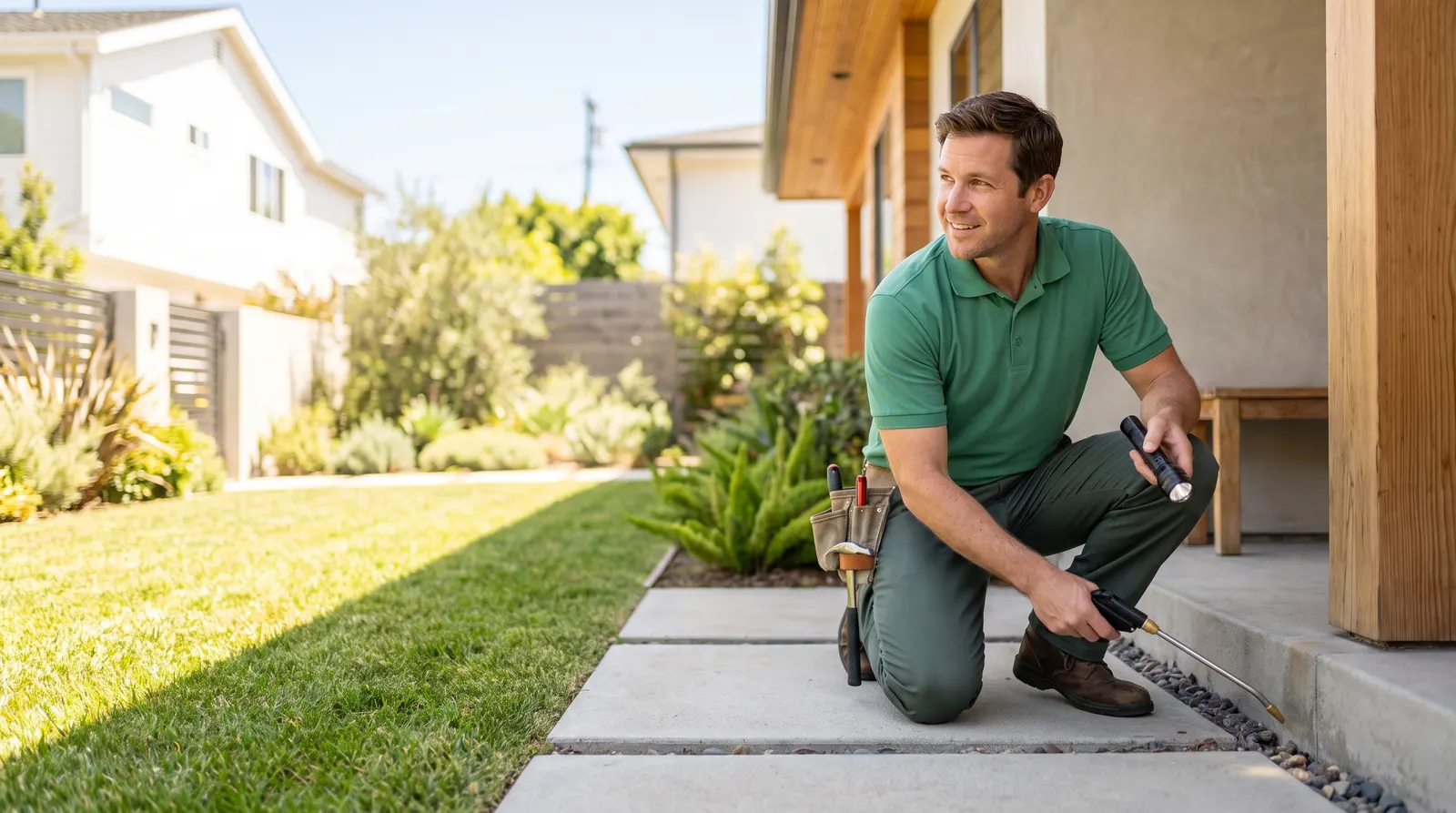
Pest control service in Santa Monica is a specialized structural inspection, biological diagnostic, and targeted extermination process designed to eradicate active pest populations and mechanically seal structural entryways throughout coastal Los Angeles County properties.
Every service reflects the same meticulous attention to detail — whether it's a single job or a larger pest control service project across Santa Monica.
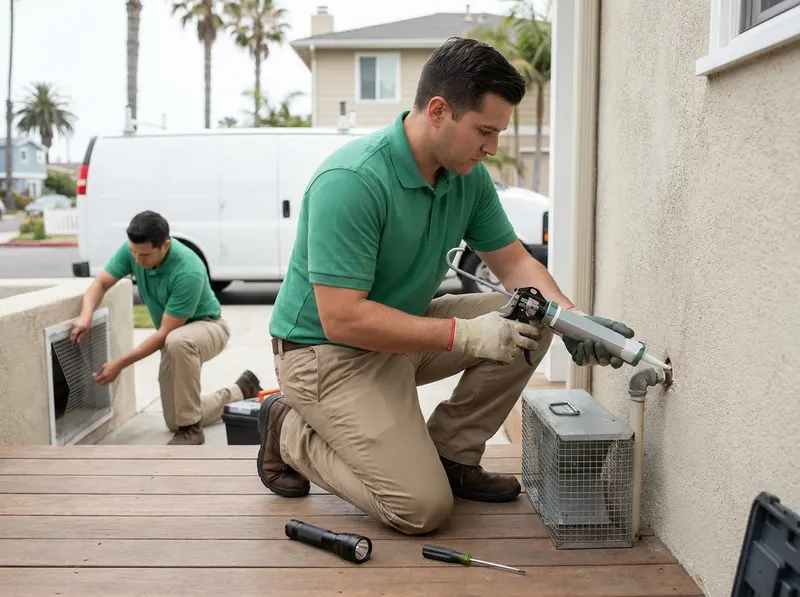
Roof rats (Rattus rattus) and house mice (Mus musculus) frequently invade Santa Monica homes by traveling across utility wires, dense palm canopies, and overhanging coastal eucalyptus trees. These pests penetrate structures through uncapped Spanish tile roof valleys, deteriorated attic dormer louvers, raised foundation crawlspace vents, and gaps around exterior plumbing lines. Technicians perform an exhaustive structural audit, mapping active runway tracks, rub marks, urine deposits, and gnaw sites across crawlspaces, basements, and attic insulation. We install custom-fitted 24-gauge quarter-inch galvanized steel wire mesh, heavy-duty metal flashing, and structural polyurethane expanding sealants to block every exterior breach larger than a quarter inch. Inside the building envelope, technicians place heavy-duty mechanical snap traps within secured, tamper-resistant tracking zones away from living spaces and household pets. Daily or weekly trap-monitoring visits remove captured rodents swiftly, eliminating odor risks and ensuring complete mechanical extraction before conducting final sanitization and insulation cleanup.
View details →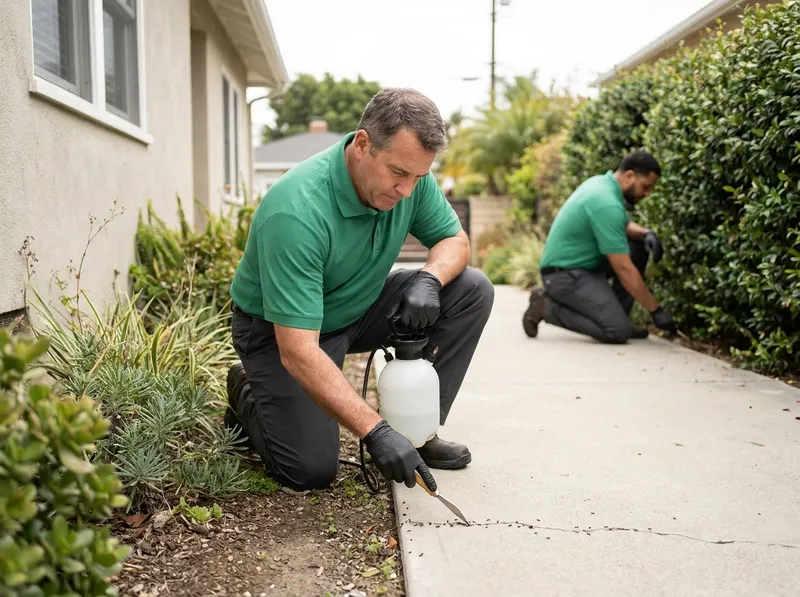
Argentine ants (Linepithema humile) form vast subterranean supercolonies in Santa Monica’s sandy coastal soils, housing multiple reproductive queens within interconnected nesting networks. During hot summer dry spells or heavy winter rainstorms, millions of worker ants mobilize indoors in search of moisture and food, establishing persistent trails across kitchen countertops, baseboards, pantry shelving, and master bathrooms. Conventional over-the-counter insecticide sprays kill only a small fraction of exposed foraging workers, triggering colony defense mechanisms that cause the queens to split and multiply throughout sub-slab foundation voids. Our scientific approach utilizes professional-grade non-repellent liquid formulations and specialized carbohydrate- and protein-based gel micro-baits. Foraging ants ingest these slow-acting matrices and carry the active material back into the subterranean nest, transferring it directly to queens and larvae through trophallaxis. This system collapses the entire biological colony structure from within, terminating indoor incursions permanently without releasing harsh chemical fumes into indoor air.
View details →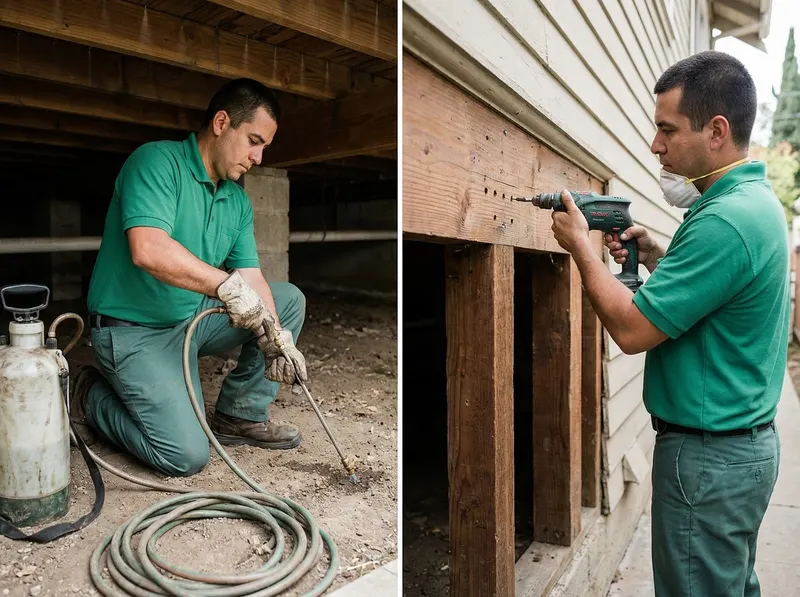
Coastal atmospheric humidity and mild winter temperatures create ideal environmental conditions for both drywood termites (Incisitermes minor) and Western subterranean termites (Reticulitermes hesperus). Drywood alates swarm during warm, sunny autumn afternoons, boring directly into exposed structural rafters, window casings, decorative wood beams, and fascia boards without requiring soil contact. Subterranean termites construct mud shelter tubes upward from the soil to devour floor joists, sill plates, and wall studs from the interior outward. Technicians conduct detailed visual, acoustic, and thermal inspections to pinpoint active gallery networks and structural damage. Depending on the depth of infestation, treatment options include precision direct-wood injection using non-repellent termiticides, targeted structural borate mineral coatings that permanently immunize bare wood framing, localized deep-probe foam injections, and sub-slab perimeter soil barriers that halt subterranean ground colonies before they contact structural timber.
View details →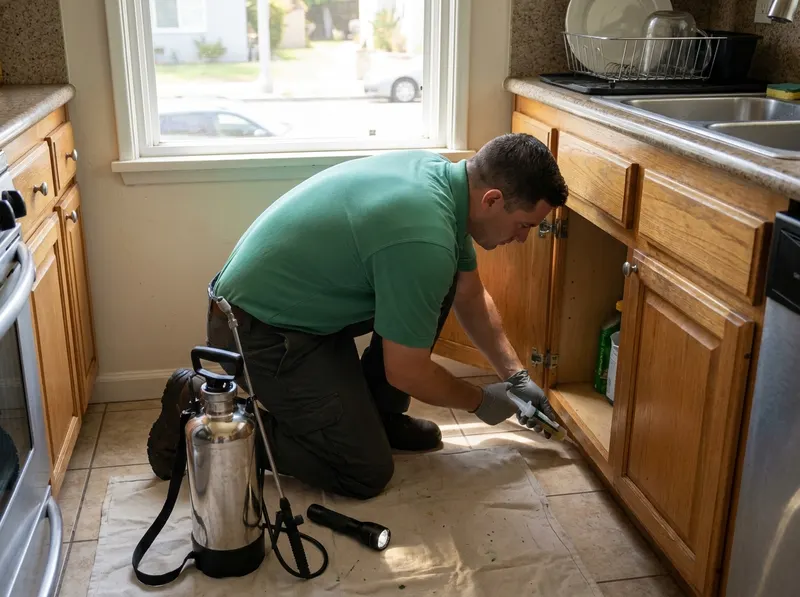
German cockroaches (Blattella germanica) and American cockroaches (Periplaneta americana) introduce hazardous pathogens, allergens, and bacteria into food preparation surfaces, commercial dining facilities, and residential multi-family plumbing systems. German cockroaches reproduce rapidly within hidden appliance motor compartments, under-sink cabinet hinges, drawer glides, and hollow wall voids. American cockroaches, often emerging from coastal municipal sewer mains and storm drains, enter ground-floor units through unsealed subfloor plumbing chases and foundation access points. Our eradication protocol combines precise placement of attractive insect growth regulator (IGR) concentrates, micro-encapsulated non-repellent baits, and high-efficiency particulate air (HEPA) vacuum extraction. Growth regulators disrupt the molting and reproductive cycles of juvenile nymphs, while bait matrices eliminate reproducing adults. Technicians also install mechanical drain backflow barriers and seal perimeter pipe penetrations to block recurring sewer-line reintroductions.
View details →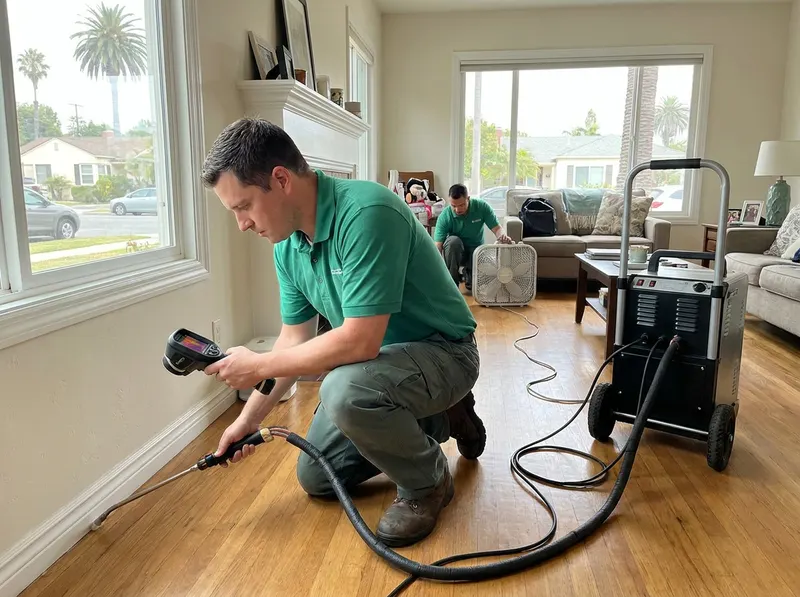
High visitor turnover across Santa Monica vacation rentals, boutique coastal hotels, and multi-unit apartment complexes creates recurring risks of bed bug (Cimex lectularius) introductions. Bed bugs conceal themselves within mattress seams, box spring corners, tufted headboards, electrical outlet boxes, baseboard gaps, and behind hanging wall art. Technicians execute exhaustive multi-point inspections utilizing high-intensity optical tools to identify fecal spotting, discarded cast skins, and active harborage clusters. Our comprehensive remediation protocol combines high-temperature localized dry-steam heat application—which instantly denatures bed bug proteins and kills viable eggs on contact—with high-filtration HEPA vacuum extraction of live clusters. Technicians then apply long-lasting, non-toxic amorphous silica desiccant dust inside wall voids, switch plates, and structural baseboard crevices. This triple-action strategy delivers complete population eradication without exposing occupants to heavy synthetic chemical residues, allowing rapid turnaround for rental properties and private residences.
View details →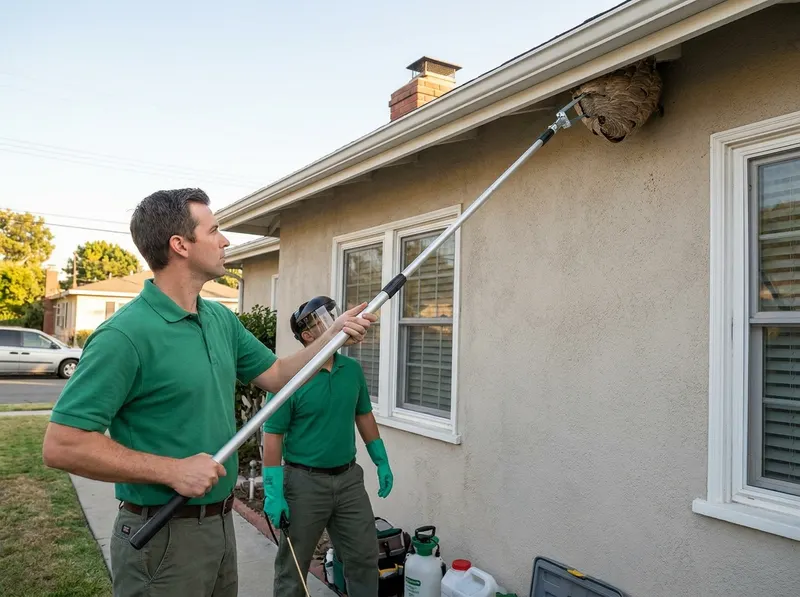
Stinging insects such as Western yellowjackets (Vespula pensylvanica), paper wasps (Polistes dominula), and mud daubers construct dangerous aerial or subterranean nests along structural roof eaves, stucco overhangs, chimney caps, exterior pergolas, and landscape retainers. These defensive colonies present serious sting hazards to homeowners, children, pets, and outdoor restaurant patrons. Licensed technicians equipped with specialized protective gear utilize targeted rapid-knockdown freezing agents and precision aerosol injection tools to neutralize aggressive defending workers instantly. After ensuring the colony is fully subdued, technicians physically detach and remove the entire nest structure, scrape away adhesive attachment pads, and apply localized residual botanical repellents to the nesting substrate. This post-removal treatment alters the pheromone signature of the surface, preventing scout wasps and secondary swarms from recolonizing the exact same architectural location in subsequent seasons.
View details →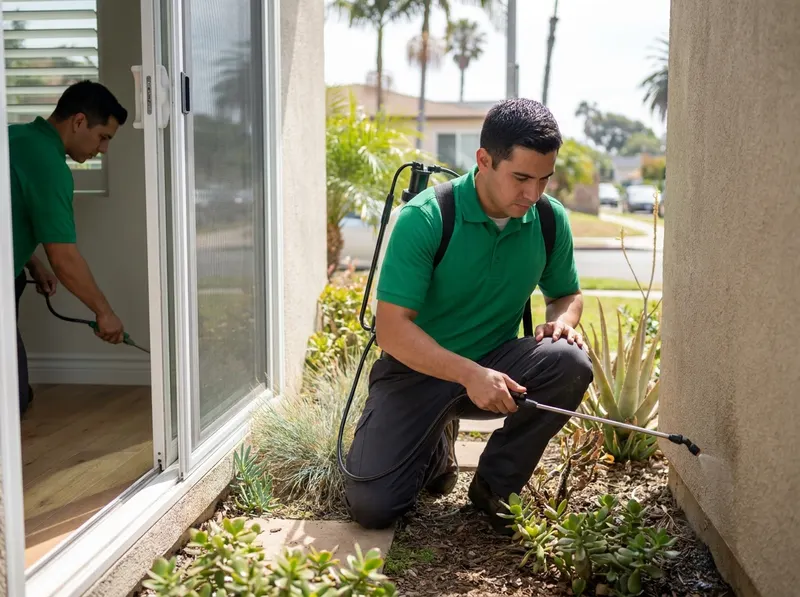
The moderate, humid maritime climate along the Santa Monica coastline permits cat fleas (Ctenocephalides felis) and brown dog ticks (Rhipicephalus sanguineus) to reproduce continuously throughout all twelve months of the year without a winter dormancy period. Flea larvae thrive within shaded landscape turf, subfloor crawlspaces, dense outdoor ivy, interior carpet pile, and upholstery crevices. Ticks frequently establish harborages along perimeter fence lines, garden retaining walls, and brush borders where wildlife and domestic pets transit. Our dual-phase interior and exterior protocol eliminates active biting populations across all life cycles. Indoors, technicians apply targeted adulticides combined with juvenile hormone mimics that arrest larval development and prevent pupal emergence within floor fabrics. Outdoors, technicians treat shaded landscape perimeter resting zones, sub-deck voids, and property borders with low-impact botanical formulations that neutralize emerging parasites on contact.
View details →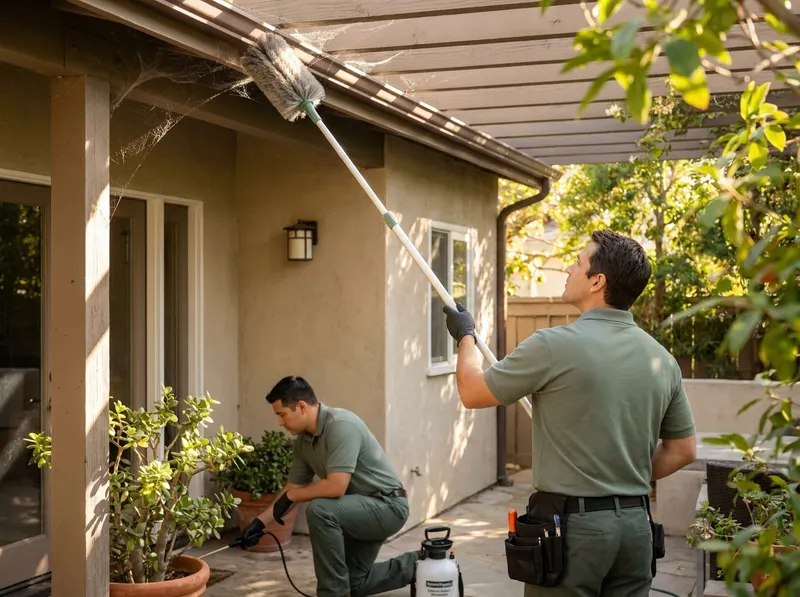
Western black widow spiders (Latrodectus hesperus), brown widow spiders (Latrodectus geometricus), and yellow sac spiders readily build webs around structural perimeters, exterior lighting fixtures, utility meter boxes, garage storage corners, and coastal crawlspace access doors. While most spider species act as beneficial insect predators, their venomous bites and dense web accumulations create significant structural nuisance and safety concerns for families. Technicians perform comprehensive physical web and egg sac abatement across all exterior eaves, window sills, patio furniture, and foundation lines using specialized extendable micro-fiber brushing equipment. We follow web removal with precision micro-encapsulated barrier applications along foundation cracks, window framing, soffits, and weep holes. Technicians also address secondary insect prey populations around exterior light fixtures and garden perimeters to eliminate the underlying biological food supply that attracts spiders toward the residence.
View details →Pest control service in Santa Monica is a specialized structural inspection, biological diagnostic, and targeted extermination process designed to eradicate active pest populations and mechanically seal structural entryways throughout coastal Los Angeles County properties.
You get a firm, itemized quote for your pest control service before any work begins — no surprises, no pressure.
Careful prep, tidy work, and a full cleanup when we are done. We treat your home and belongings like our own.
The same trusted, background-checked team from the first call to the final check.
Selecting the right pest eradication strategy requires matching the specific pest biology and structural architectural vulnerabilities of your property to the correct mechanical or chemical intervention. If your kitchen, bathroom, or pantry is experiencing sudden, dense Argentine ant trails, select precision micro-baiting and targeted exterior perimeter barrier treatments; this approach leverages social food-sharing mechanics to distribute slow-acting non-repellent active ingredients directly to underground queens rather than utilizing standard contact sprays that trigger colony budding and scatter satellite nests deeper into wall voids. If you hear nocturnal scratching noises in attic spaces or discover dark droppings in utility closets, select structural rodent exclusion paired with interior mechanical trapping rather than deploying loose rodenticide baits; comprehensive exterior exclusion with heavy-gauge galvanized steel mesh permanently eliminates entry pathways along roof tiles, fascia boards, and foundation weep holes, while snap-trapping removes living animals without risking dead rodent decomposition or secondary pet toxicity inside structural cavities. If you observe wood frass, discarded wings, or hollowed timber framing, select localized direct-wood injection for isolated drywood termite colonies, or schedule whole-structure remediation if extensive subterranean or multi-gallery drywood activity is discovered throughout inaccessible wall cavities; localized direct-injection saves time, limits disruption, and avoids household relocation, whereas whole-structure fumigation or structural heat treatment solves widespread, deep-seated structural infestations across multi-story buildings. If you manage a boutique hotel, short-term coastal vacation rental, or multi-family property facing bed bug introductions, choose high-temperature thermal remediation combined with HEPA vacuum extraction and precision wall-void desiccant dust applications; this protocol provides rapid same-day lethal knockdown across all life stages, including heat-resistant eggs, without lingering chemical residues or extended unit downtime. If stinging insects establish colonies near entryways or under roof overhangs, select targeted knockdown and physical nest removal followed by residual botanical deterrent application to eliminate sting hazards while preventing returning foragers from re-establishing nests on the same architectural surface.
Every project gets a firm, written price after a free on-site visit. Ranges below for orientation.
Tell us about your pest control service job and we'll send a clear, written quote — usually the same day. Or just call and talk to a real Santa Monica pro.

Santa Monica’s unique coastal geography—bordered by the Santa Monica Bay, dramatic ocean bluffs, and dense coastal canyons—produces a steady marine layer, elevated atmospheric humidity, and mild year-round temperatures that completely prevent the natural winter pest die-offs experienced in inland Southern California valleys. Architectural diversity throughout the city heavily influences structural pest dynamics. In premier residential enclaves like North of Montana and the Ocean Avenue Corridor, expansive mid-century residences, Spanish revival estates, and coastal Craftsman homes feature dense bougainvillea vines, English ivy groundcovers, and towering Canary Island date palms that act as natural elevated highways for roof rats seeking access to clay tile rooflines and open dormer vents. In active commercial and multi-family districts such as Downtown Santa Monica, the Third Street Promenade, the Montana Avenue Shopping District, and the industrial creative conversions surrounding Bergamot Station, interconnected underground utility infrastructure and high pedestrian density create substantial challenges with Argentine ant supercolonies and sewer-dwelling American cockroaches. Properties neighboring expansive municipal green spaces—including Palisades Park, Tongva Park, and the campus grounds of Santa Monica College—face constant pest migration pressure from manicured turf and open parklands. Addressing these persistent conditions requires a tailored, structural-first methodology that seals physical architectural pathways and deploys target-specific, low-impact biological controls rather than relying on standard synthetic chemical barrier spraying that washes away in the heavy coastal salt air.
 Karnova Pest Control